Wood vs. Vinyl vs. Aluminum Fence: Which Is Best for Your Home?
Choosing the right fence material is one of the most important decisions Charlotte, NC, homeowners face. Wood, vinyl, and aluminum fencing each bring a different mix of cost, upkeep, and longevity. Charlotte's humid subtropical climate affects how each performs over time. Understanding those differences before you buy can save you real money and hassle.
Wood Fencing
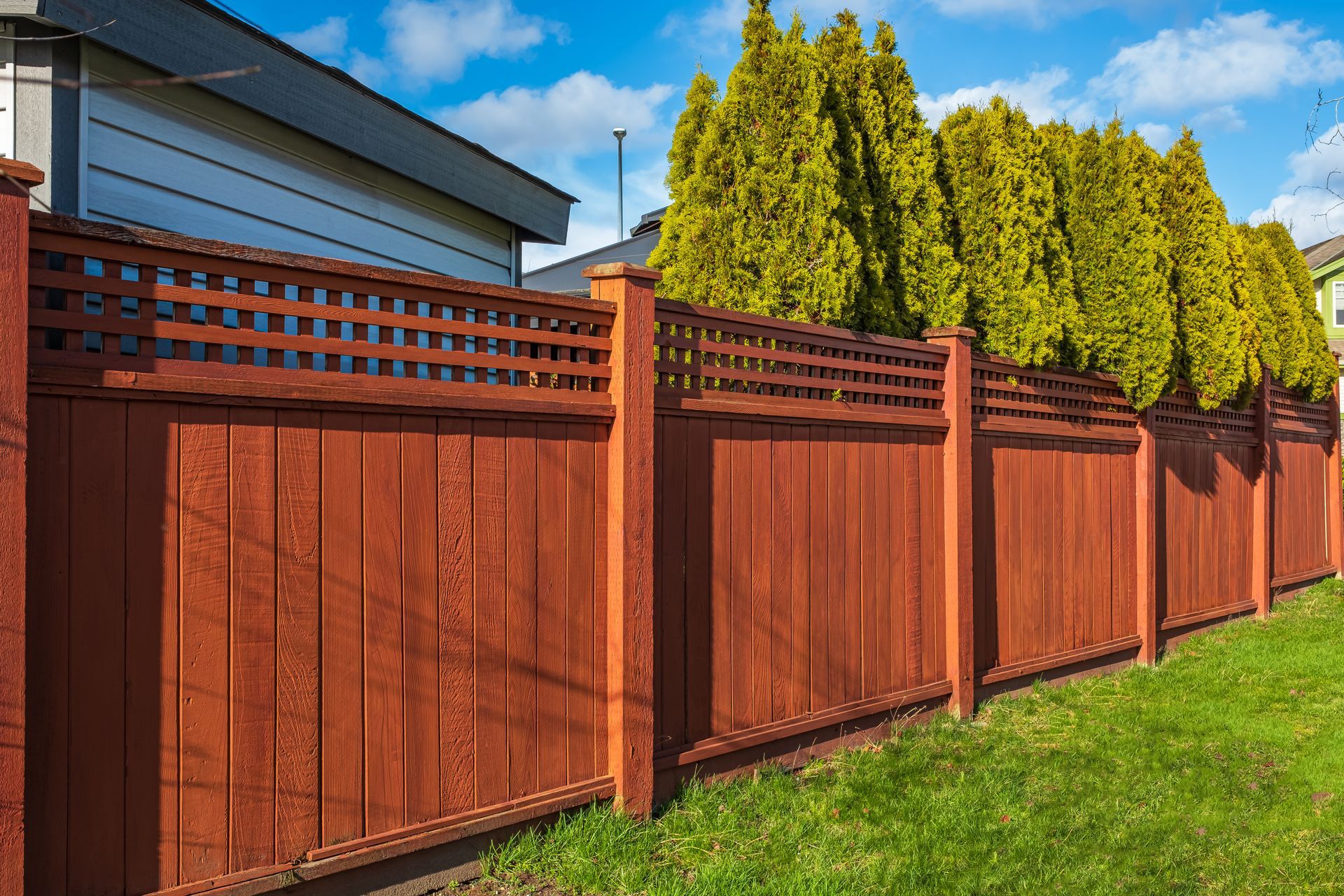
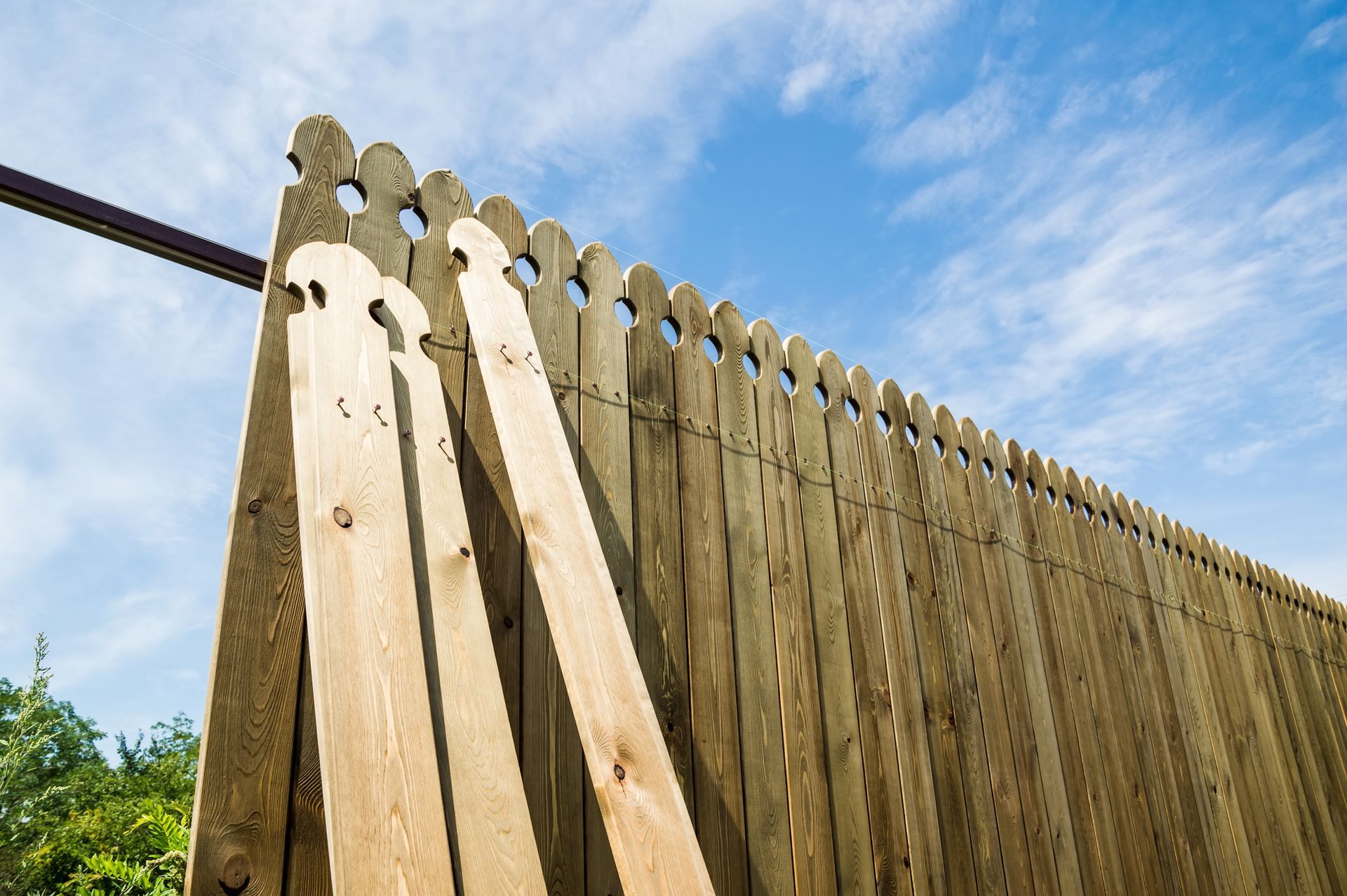
Wood fencing is the most affordable option upfront and offers natural beauty, easy customization, and strong privacy with a solid-board design. Popular styles in Charlotte include board-on-board, stockade, and split-rail.
The tradeoff is maintenance. Charlotte's humidity creates ideal conditions for rot, warping, and mold. A wood fence typically requires staining or sealing every one to three years. Left untreated, pressure-treated pine can begin showing wear within a few seasons.
Verdict: Most affordable upfront, but carries the highest long-term maintenance burden in Charlotte's climate.
Vinyl Fencing
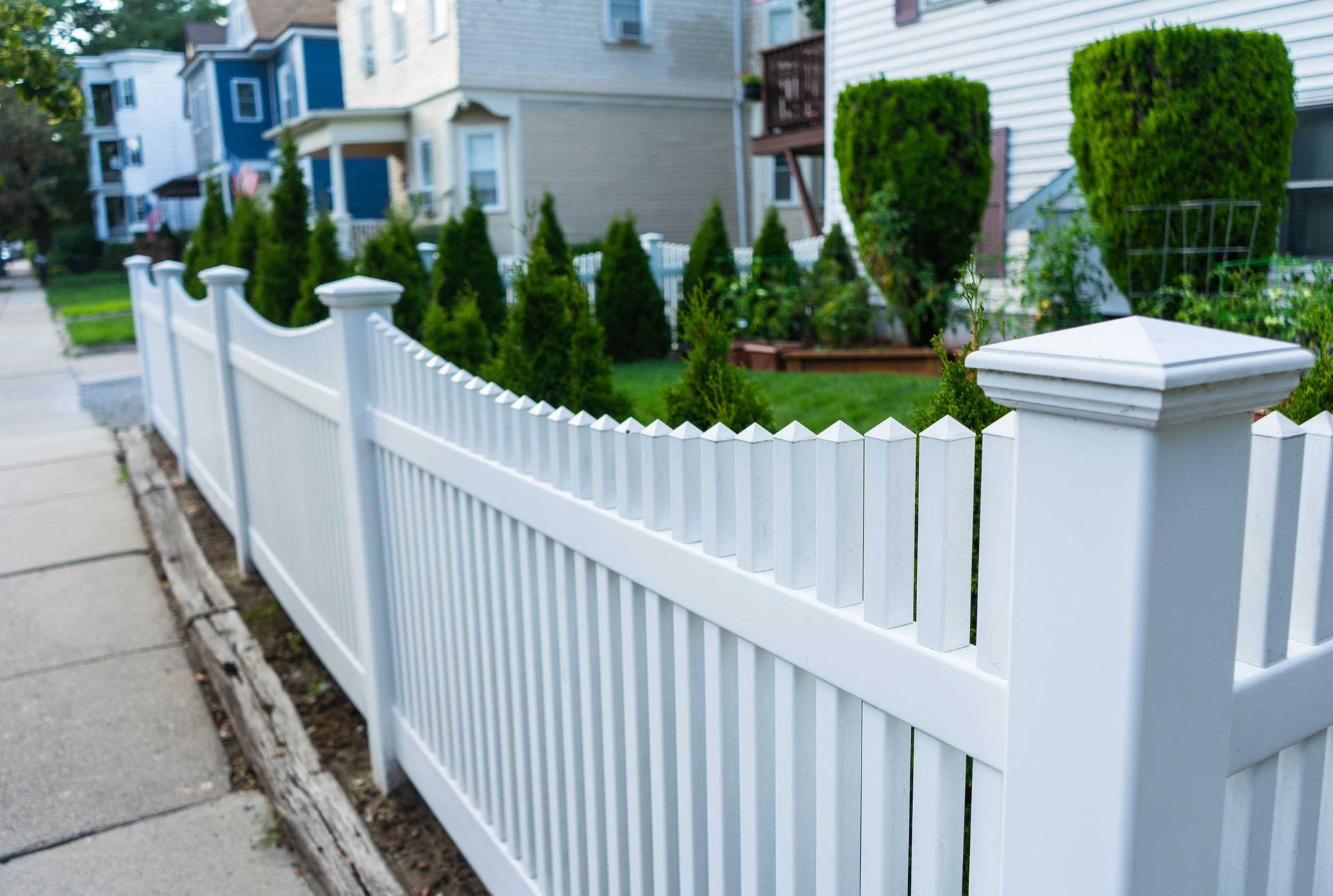
Vinyl fencing sits in the mid-range for upfront cost and delivers strong long-term value for homeowners who want a low-maintenance yard. It resists fading, peeling, and rotting, making it well-suited to Charlotte's moisture and heat. Maintenance typically requires little more than a periodic rinse with a garden hose.
Vinyl is available in privacy, picket, ranch rail, and pool-approved styles. Many HOA-governed communities in Ballantyne, Steele Creek, and Mint Hill accept white or tan vinyl as a standard approved material.
Verdict: Best balance of low maintenance and long product life for most Charlotte homeowners.
Aluminum Fencing
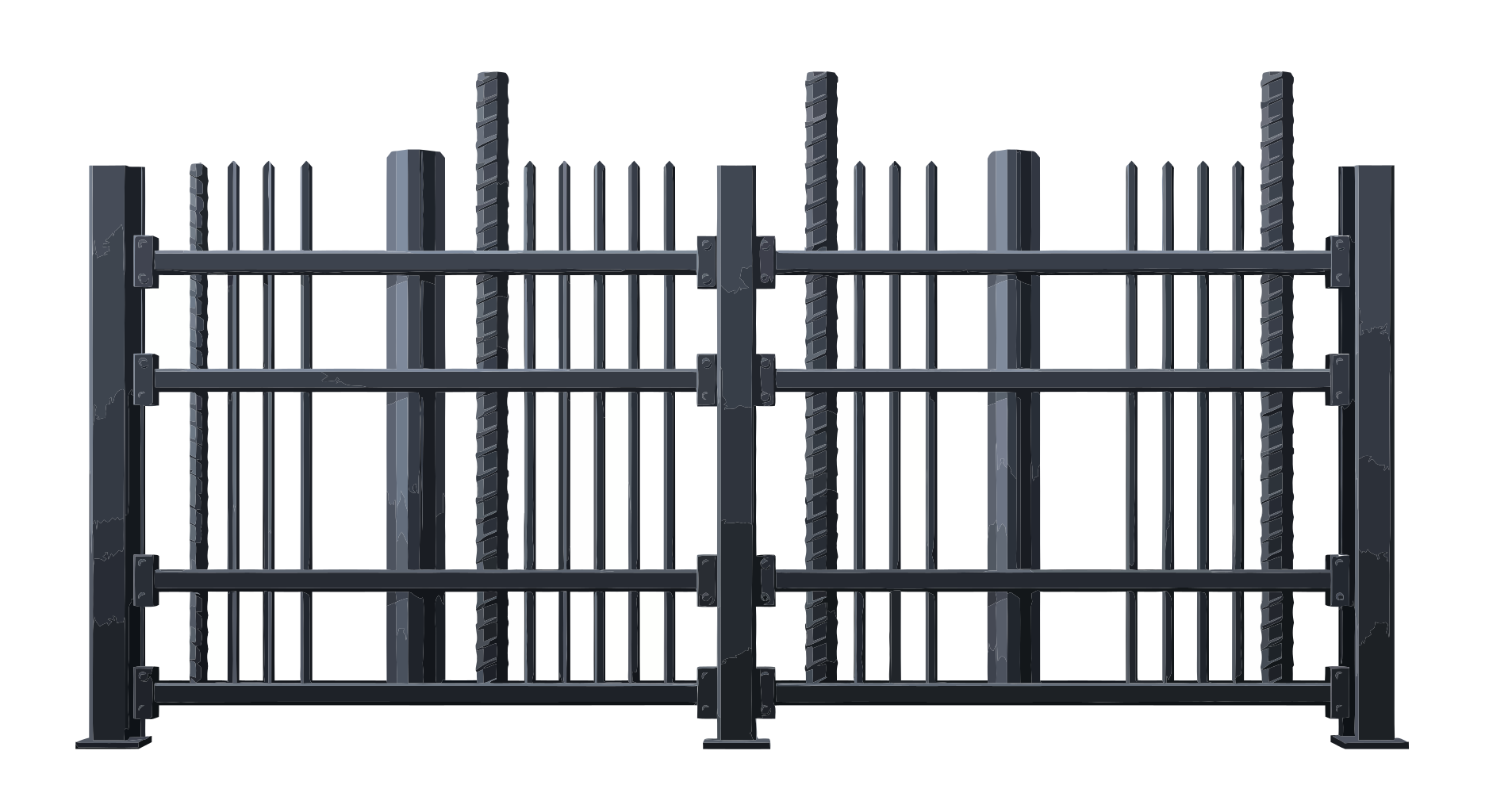
Aluminum is the premium-tier option, well-suited to properties where appearance and open sightlines matter most. It resists rust and corrosion and can last decades with virtually no routine maintenance. Pool enclosures and front-yard decorative boundaries are two of the most common applications locally.
Aluminum does not offer privacy, since it uses an open picket design. It is widely accepted by HOAs across Charlotte neighborhoods. Check for a quality powder-coat finish before purchasing, as inferior coatings can chalk and fade.
Verdict: Premium choice for longevity and elegance, best suited for decorative or pool applications.
Which Fence Material Is Best for Hot, Humid Climates?
Vinyl and aluminum outperform wood in hot, humid climates. Wood absorbs moisture, leading to rot and warping. Vinyl resists moisture entirely, and aluminum is impervious to it. For Charlotte homeowners who want to minimize long-term upkeep, either is typically the stronger choice.
Is Vinyl or Aluminum Better for a Pool Enclosure?
Aluminum is often preferred for pool enclosures because it meets most local safety code requirements and withstands pool chemical exposure without corroding. Many jurisdictions in Mecklenburg County require a minimum fence height and self-latching gate, so checking local code before installation is always recommended.
How Long Does a Fence Last in Charlotte, NC?
A wood fence may last 10 to 20 years with proper treatment. Vinyl fencing can last 20 to 30 years or more. Aluminum, when powder-coated and properly installed, can last 30 or more years with minimal care.
Ready to Choose Your Fence? Start with a Free Estimate.
The right material depends on your budget, your neighborhood, and how much upkeep you want. Whether you are leaning toward a classic wood fencing installation or exploring low-maintenance vinyl and aluminum options, the best next step is talking with a local professional who knows the Charlotte market.
Town & Country Fence has been serving Charlotte, NC, and surrounding communities since 2000, offering free in-person estimates and American-made materials backed by lifetime warranties. Call (704) 394-2925 or request your free estimate online to get started. You can also find us and read reviews from your neighbors at Town & Country Fence.